Solar Startups and Reddit Marketing: Why Some Brands Turn to Aged Accounts to Build Credibility
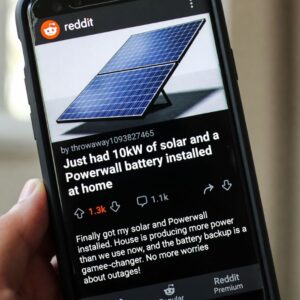 Solar startups raised over $28 billion in venture funding in 2024 alone. Yet many of these companies struggle to get noticed on Reddit, where new accounts often get ignored or flagged as spam. That hard reality pushes some founders toward a shortcut: buying aged Reddit accounts with established history.
Reddit remains one of the few platforms where genuine conversation still drives trends. Subreddits like r/solar, r/solarenergy, and r/renewableenergy attract homeowners, installers, and investors who actually make buying decisions. A well-timed post about a new perovskite panel or a customer’s $0 electric bill can spark hundreds of thousands of visits. Smart marketers know this, so they look for reliable ways to join the conversation without starting from zero. Some turn to places like this Reddit account marketplace to find profiles that already have karma and age.
Why New Accounts Fail in Solar Communities
Reddit’s algorithm and its users punish obvious promotion. Post from a fresh account in r/solar with a link to your new microinverter? The auto-moderator removes it in seconds. Even if it survives, readers downvote and report anything that smells like advertising.
Aged accounts change the game. They can:
- Share “personal” stories about switching to solar without triggering spam filters
- Answer technical questions and quietly mention their own product
- Post customer photos or drone shots of new installations that look organic
- Cross-post success stories to larger subreddits like r/pics or r/dataisbeautiful
One California-based solar storage startup saw its waitlist grow by 8,000 people in a single weekend after an aged account shared a detailed review with real photos and a discount code. The post hit the front page of r/technology and stayed there for 14 hours.
The Tactics That Actually Work
Successful campaigns rarely look like ads. Instead, marketers use aged accounts to seed conversations months in advance. An account might spend weeks answering questions about panel efficiency or permitting headaches. Later, the same account shares a “case study” about a family that went off-grid with a new battery system, complete with charts and before-after photos.
Other common moves include:
- Hosting AMAs with engineers or early customers
- Releasing open-source tools for sizing home solar systems
- Sharing time-lapse videos of installations
These posts feel authentic because the account has history. Readers trust them more, engage more, and share more.
The Ethical Tightrope
Here’s where things get messy. Reddit’s rules clearly ban vote manipulation and paid astroturfing. Buying or selling accounts also violates the terms of service. When discovered, brands face permanent bans across dozens of subreddits and lasting damage to reputation.
Yet many founders argue the playing field isn’t level. Established players already own high-karma accounts from years of participation. New companies, especially those fighting climate change on tight timelines, feel forced to catch up quickly or miss the narrow window to scale. The same principle applies beyond Reddit: a strong, trustworthy online presence (including a reputable website) is crucial for long-term success in the solar industry. Building real authority and website reputation often matters even more than quick social media wins.
Some take a middle road. They hire community managers who build real karma the slow way, then hand over the accounts when the employee leaves. Others openly partner with popular Redditors and mark posts as sponsored, though those rarely perform as well.
Alternatives That Don’t Break Rules
Plenty of solar brands grow on Reddit without paid accounts. They contribute real value: detailed guides, transparent pricing data, or tools that help homeowners calculate payback periods. These companies often become subreddit staples, and their occasional product mentions get celebrated instead of buried.
The difference comes down to intent. Build trust first, sell second, and the community usually rewards you. Rush the sale with a purchased account, and the backlash can kill a young brand overnight.
Solar startups face immense pressure to scale fast and prove traction to investors. Reddit offers unmatched access to passionate early adopters. Some choose aged accounts as a shortcut to credibility, while others grind the long way. Both paths work, but only one keeps the community’s trust intact in the end.
Solar Technology and Website Reputation
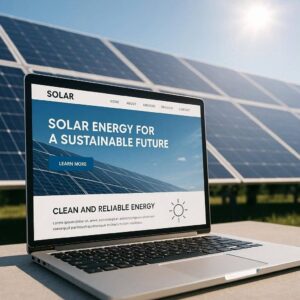 Solar technology’s reputation has changed how people and businesses think about energy. It offers clean, renewable power by converting sunlight into electricity through solar panels. This shift is not just about going green; it’s also about saving costs and supporting sustainability. Many households and companies are now turning to solar energy to reduce their dependence on fossil fuels. With the growing concern for the environment, solar power continues to gain attention as an accessible and practical solution.
The demand for solar installations has led to rapid innovation. Modern panels are now more efficient, durable, and adaptable to different environments. Whether installed on rooftops, fields, or portable systems, solar technology has become a key part of energy planning worldwide. However, the growth of this industry also depends on how solar companies represent themselves online.
Why Website Reputation Matters for Solar Businesses
A company’s website is often the first place potential clients go to learn about its products and services. For solar businesses, the website represents not just what they sell, but also how trustworthy they are. A well-designed and transparent website can establish credibility, while a poor online presence can raise doubts.
Customers looking for solar solutions usually research multiple providers before deciding. If your website is informative, organized, and easy to navigate, it helps build confidence. On the other hand, outdated content, broken links, or unclear product details can make visitors leave.
Search engines also take reputation into account. Websites with positive reviews, quality backlinks, and consistent content updates tend to rank higher. This means that maintaining a strong website reputation not only builds trust but also improves visibility.
Key Factors That Influence Website Reputation
1. Content Accuracy and Transparency
People searching for solar products expect clear explanations of how systems work, what they cost, and what benefits they bring. Providing straightforward information without exaggeration builds credibility. Including FAQs, installation guides, and case studies also helps customers make informed choices.
2. User Experience and Design
A website should be easy to use. Visitors should find what they need within a few clicks. Fast-loading pages, mobile responsiveness, and clear navigation are essential. A slow or confusing website can make a business seem unprofessional.
3. Online Reviews and Testimonials
Customer feedback is powerful. Positive testimonials on your website and third-party platforms like Google Reviews can boost trust. Encouraging satisfied clients to share their experiences gives your brand authenticity. Responding politely to negative feedback also shows responsibility and care for customer satisfaction.
4. Search Engine Optimization (SEO)
A strong reputation goes hand in hand with good SEO. Using the right keywords, optimizing meta descriptions, and updating blogs regularly signal to search engines that your site is active and reliable. For solar companies, targeting keywords like “solar panel installation,” “renewable energy solutions,” or “solar power for homes” can bring in more organic traffic.
5. Security and Privacy
Website visitors need to feel safe. Installing SSL certificates (the “https” in your URL) protects user data and improves credibility. Secure sites also rank better in Google results, further strengthening your online reputation.
Building Trust Through Educational Content
For solar technology companies, education is a powerful tool for building reputation. Many customers are curious but not fully informed about how solar energy works or how much it costs. A website that explains these concepts in simple terms positions your business as a trusted expert.
Posting blogs, videos, and infographics about topics like “How Solar Panels Reduce Your Electric Bill” or “Understanding Net Metering” can help attract and retain visitors. Educational content not only showcases your knowledge but also increases engagement. Over time, this strategy builds brand authority and encourages referrals.
Additionally, using real-life examples and success stories makes the message relatable. When people read about families or businesses saving money through your solar solutions, they’re more likely to trust your brand.
The Connection Between Reputation and Growth
Reputation directly affects growth. A well-respected solar company will attract more leads and partnerships. Clients prefer working with brands they believe are ethical, transparent, and consistent. Positive reviews and strong online visibility create a cycle of credibility.
Conversely, a damaged reputation can slow progress. Negative reviews, misleading claims, or unaddressed complaints can spread quickly on social media and review sites. That’s why reputation management should be part of every solar business’s marketing strategy.
Monitoring mentions of your company, responding promptly to feedback, and keeping your website updated can help you stay ahead. Tools like Google Alerts, social media monitoring platforms, and analytics dashboards make it easier to track and manage your online image.
How Solar Energy Is Used In Homes Or Businesses
In Homes
Electricity Generation
Water Heating
Space Heating and Cooling
Solar-Powered Devices
In Businesses
Reducing Operating Costs
Backup Power and Energy Storage
Sustainable Branding
Selling Power to the Grid
The Solar Panel Structure
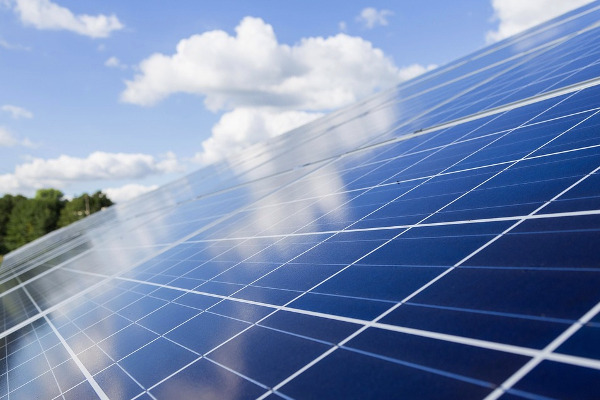
A solar panel typically includes:
Glass layer: Protects the panel.
Anti-reflective coating: Helps absorb more sunlight.
Silicon cells: Where the energy conversion happens.
Wiring & metal frame: Conducts electricity and holds everything together.
Explore How Solar Panels Work And Its Efficiency
Here’s a simple explanation of how solar panels work:
Solar panels are made of many solar cells (usually silicon-based). When sunlight (photons) hits these cells, the energy from the light is absorbed. When the sunlight energy is absorbed It knocks electrons loose from atoms in the semiconductor. The electricity produced is DC, but homes and businesses use alternating current (AC). The AC electricity can be used immediately to power devices.
Solar Power And Its Advantages
Advantages of Solar Power:
Renewable – The sun is not going to run out anytime soon.
Environmentally friendly – No greenhouse gas emissions during use.
Low operating costs – Once installed, solar systems require minimal maintenance.
Solar Energy Discussion
Solar power is the energy harnessed from the sun’s rays. It is a renewable, clean, and sustainable source of energy that can be converted into electricity or used for heating.
There are two main ways solar power is used:
Photovoltaic (PV) Systems
These use solar panels to convert sunlight directly into electricity. The panels contain semiconductors (usually silicon) that release electrons when exposed to sunlight, generating electric current.
Solar Thermal Systems
These use mirrors or lenses to concentrate sunlight and produce heat, which can then be used to generate electricity (e.g., in solar power plants) or provide hot water for buildings.